Why Quality Engineering Matters in Industrial Equipment Manufacturing
Atlas Engineering Team
May 22, 2026
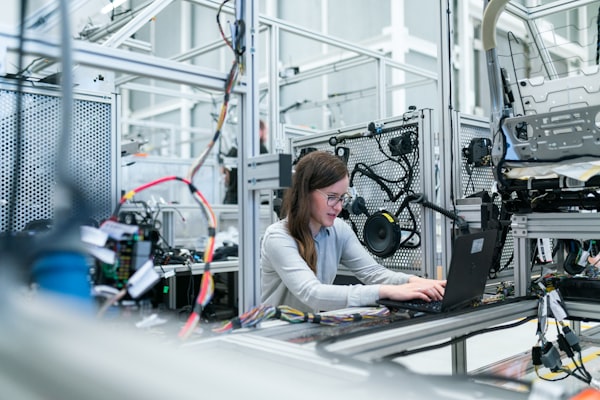
Industrial equipment is often subjected to extreme operating conditions, including high temperatures, pressure fluctuations, corrosive chemicals, and continuous production cycles. Under such circumstances, quality engineering becomes essential.
Manufacturers that prioritize quality assurance implement rigorous testing procedures throughout the production lifecycle. These evaluations verify dimensional accuracy, material integrity, performance consistency, and compliance with industry standards.
High-quality equipment minimizes unexpected failures, reduces maintenance costs, and improves workplace safety. It also contributes to uninterrupted production and higher customer satisfaction.
Engineering excellence extends beyond manufacturing. It includes detailed design analysis, material selection, process optimization, and ongoing innovation to meet evolving industry requirements.
Organizations that invest in quality-focused equipment partners benefit from improved operational reliability, longer equipment lifespan, and stronger competitive positioning in the marketplace.
As industrial operations become increasingly sophisticated, quality engineering remains one of the most critical factors influencing long-term business success.
Related Articles
View All Insights Heat Exchanger
The Role of Heat Exchangers in Pharmaceutical and Chemical Industries
Heat exchangers are essential for process control, energy efficiency, and product quality in chemical and pharmaceutical manufacturing.
 Process Engineering
How Industrial Equipment Customization Improves Productivity and ROI
Explore how customized industrial equipment helps businesses maximize efficiency, improve product quality, and reduce operational costs.
 Process Engineering
Essential Chemical Process Equipment Every Manufacturing Plant Needs
Learn about the key equipment used in chemical processing industries and how each contributes to safe and efficient operations.